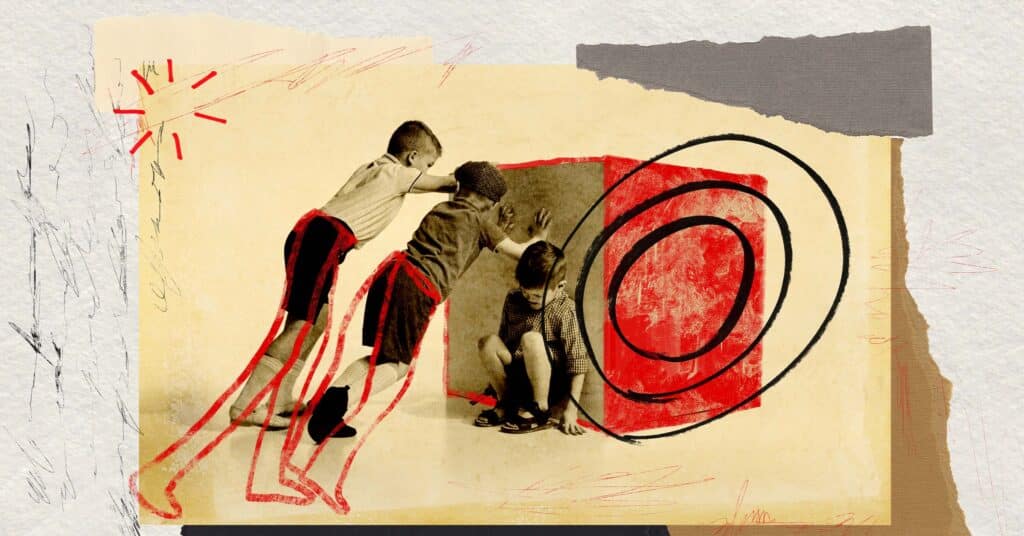

Good Systems Feel Invisible
I vividly remember staring at a spreadsheet filled with hundreds of rows, anxiety tightening my chest as I faced managing 26 different school websites. It was my first major project management role, and I grappled with intense stress and self-doubt—”moments of high octane stress,” as I often called them. I felt the heavy weight of responsibility, worried about disappointing respected teachers, classmates who had become teachers, and my mentor who had entrusted me with this enormous task.
Yet, clarity eventually broke through. After months of meticulous work—streamlining processes, simplifying data—I felt a profound emotional shift. Seeing familiar faces from my High Tech High days—teachers elevated into leadership roles and peers now leading classrooms—deeply affirmed the invisible, painstaking work I’d done. It wasn’t just technical achievement; it was profoundly personal and genuinely heart-warming.
Invisible By Design
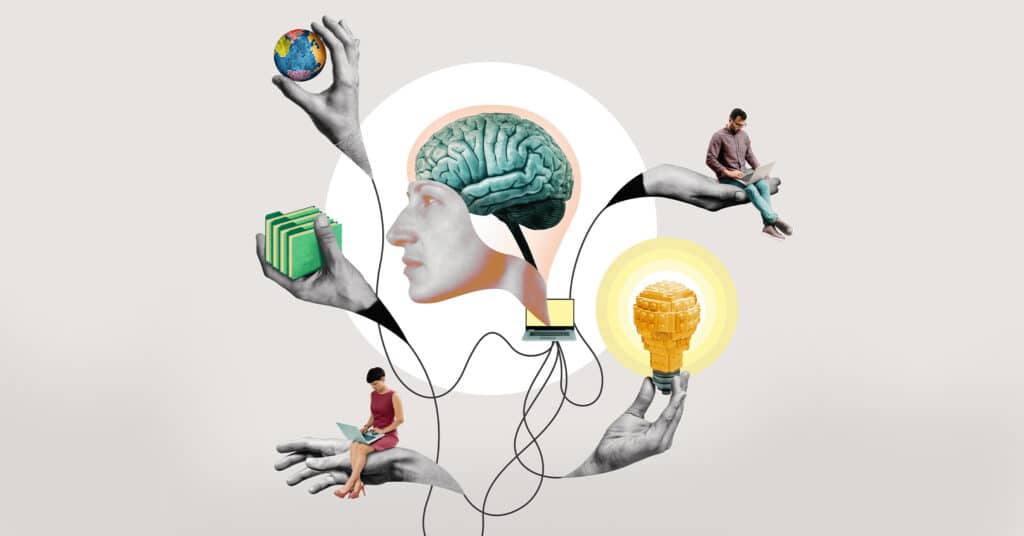
Good systems aren’t absent—they’re intentionally invisible. At Hundred Hands Learning Lab (H2L2), this means quietly repelling hundreds of cyber-attacks each day, unnoticed by our clients. I try to remind clients that we’re fighting a war daily behind their backs to keep their sites safe and functional. They may never see it, but the vigilance and dedication are always there, ensuring seamless usability and uninterrupted security.
This invisible design is inherently inclusive. At H2L2, accessibility standards like ADA and WCAG aren’t simply compliance checklists; they are integral to our core mission. We proactively build systems accessible to all, even when we don’t receive direct feedback from visually impaired or differently-abled users. Additionally, invisible optimization ensures our websites load quickly, crucially supporting communities with limited internet access and embodying true equity and inclusion.
Shepherds, Not Gatekeepers
Our commitment to open-source platforms like WordPress reflects our deeper philosophy—we are shepherds rather than gatekeepers. Our role is to guide and empower clients, providing them autonomy rather than trapping them within proprietary systems. This open approach aligns directly with our vision of supporting sustainable, equitable movements.
Early in my career, difficult experiences tackling chaotic websites burdened by duplicated content and messy data taught me valuable lessons. Those challenges ingrained a meticulous, future-oriented mindset within me. Even when a project appears small, I rigorously map every detail upfront. Though clients sometimes find this tedious, the reality is clear: a messy backend eventually compromises even the most polished frontend.
Quiet Meticulousness, Lasting Impact
Invisible backend work is rarely glamorous—it’s thankless, janitor-like labor, akin to carefully preparing a hotel room, chocolate precisely placed on the pillow. Yet it’s precisely this thoughtful, meticulous invisibility that sustains powerful movements and meaningful community impacts. Good systems quietly, profoundly empower communities to flourish.
Try This Tomorrow
Quickly embrace clarity and proactive thinking with these actionable exercises designed to immediately enhance your systems:
- Schedule a 30-minute check-in with your operations or tech lead.
Ask: What’s one part of our backend that slows you down? Then make a plan to remove that friction. - Experience your system with assistive tech.
Whether it’s a website, an internal dashboard, or a document system—try navigating it using a screen reader, high-contrast mode, or voice commands. What works? What doesn’t? Use what you learn to build a more inclusive experience.
By intentionally highlighting these invisible yet critical elements, you’ll build resilient, inclusive, and highly effective systems.