Learning Strikes a Nerve
The Radical Power of Curiosity
On the crook of my left-hand thumb, there’s a scar. It’s nearly invisible now, but I still remember clearly—the sharp jolt when my knife slipped and hit bone.
Learning can hurt. That small scar is proof of a big lesson I learned at nine years old.
My grandfather had given me my first hunting knife. “I’ll teach you how to whittle,” he promised, carefully demonstrating how to strip bark and insisting that I never point the blade toward my body. He made me repeat it back until I understood.
Inspired by a carved face hanging in our home—deep eyes, long beard—I chose a stick from the woods and began. I don’t remember how my carving turned out, but I vividly recall gripping the branch awkwardly, trying to carve the eyes. The blade slipped, pain surged. I’d hit a nerve.
Alone in the woods, I panicked. Three fears took hold: the bleeding wouldn’t stop, I’d lose my knife, and worst—I’d disappointed my Grandpa.
Quietly, I snuck home, hoping it wasn’t as bad as it felt. Over the kitchen sink, I saw how deep the cut was. Shaken but determined, I rinsed, compressed, and wrapped my thumb tight. Later, when asked, I lied—it was just a scrape, something I handled myself. Being alone in the woods after school wasn’t unusual.
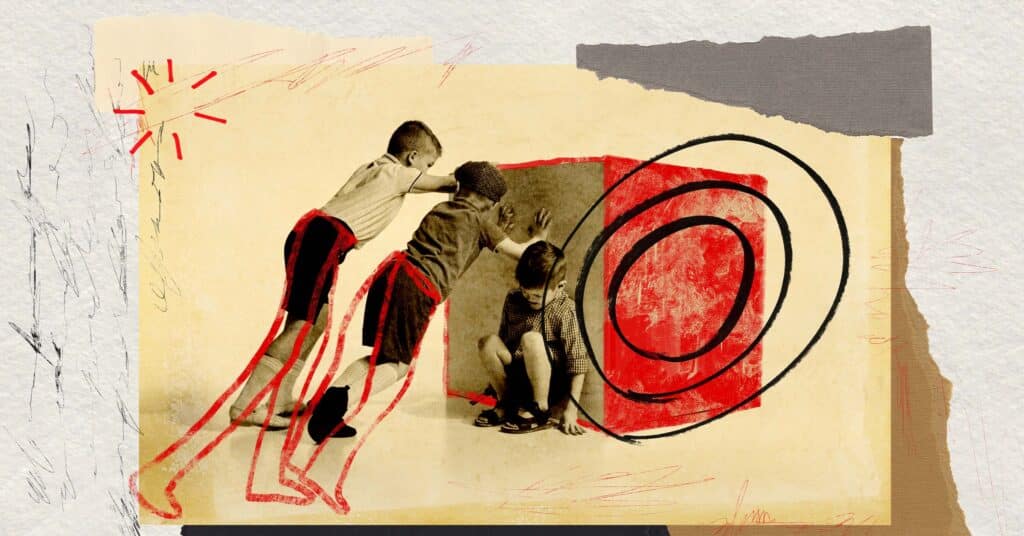
That small scar taught me something simple yet profound: true learning doesn’t ask permission. It’s natural, messy, often solitary, and inherently defiant against control.
When Politics Seek to Control What Is Inherently Free
I’ve reflected deeply on this idea in light of the Trump administration’s moves to dismantle the Department of Education. Vice President J.D. Vance even declared, “we have to honestly and aggressively attack the universities,” echoing President Nixon’s chilling sentiment from decades ago: “The professors are the enemy.”
Yet, this moment reveals more than a political attack—it reflects a fundamental misunderstanding of what learning truly is. Education isn’t confined to buildings or bureaucracies. Paulo Freire, in Pedagogy of the Oppressed, argued education must liberate, not domesticate. It should spark curiosity, not enforce compliance. Myles Horton, founder of the Highlander Folk School, similarly believed real education empowers communities and fuels social movements.
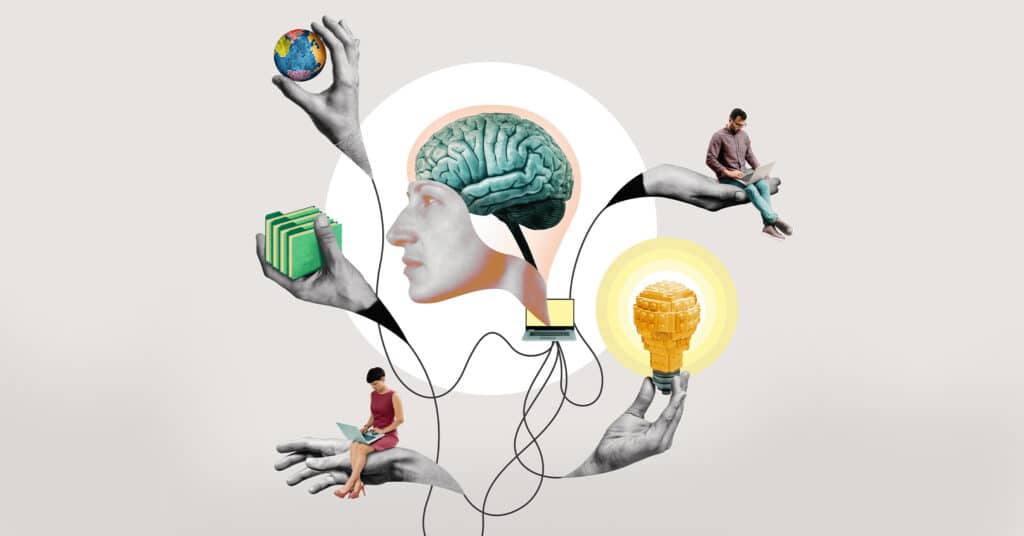
At Hundred Hands Learning Lab (H2L2), we embrace this belief wholeheartedly. Movements themselves, we argue, are living laboratories—spaces where communities harness creative power and confidence to shape equitable futures. Christopher Alexander, in A Pattern Language, insisted healthy communities require organic spaces for spontaneous learning, embedded in daily life rather than isolated, obedient institutions. H2L2 partners with communities precisely to create such spaces.
Curiosity as a Radical Act
We often assume formal institutions are essential for learning. But Noam Chomsky reminds us otherwise—children don’t require structured classes to learn language; they do it naturally through curiosity, experimentation, mistakes, and courage. My own attempt at whittling required no classroom, only guidance, risk, and yes—pain.
Despite this, our present political moment seeks to dismantle educational structures without studying their successes or failures. Randall Kennedy acknowledged in a recent On the Media segment that affirmative action had imperfections, and its removal might eventually spur beneficial changes. However, he warned that the current approach—rooted more in anger than thoughtful reflection—offers no meaningful alternative.
Whether cautioning that systems designed for obedience inevitably become oppressive (as David Graeber explores in The Democracy Project) or insisting that movements need no institutional sanction (as Abbie Hoffman champions in Steal This Book), these authors underscore a common truth: genuine education thrives under pressure and defies control when fueled by curiosity and courage. Freed from rigid frameworks, learning becomes an empowering act of collaboration, creativity, and bold self-discovery—flourishing in the very spaces where it’s least expected.
Scarred but Stronger
These attacks misunderstand the core of learning. Budgets can be slashed, funding revoked, institutions dismantled—but true learning thrives wherever curiosity and courage converge. It cannot be erased; instead, it intensifies under pressure. It leaves scars, testaments to our exploration and growth.
Our vision at H2L2 is clear: every community can be a learning laboratory, every learner can lead movements. One of our most formidable tools against tyranny isn’t institutional power—it’s the unstoppable momentum sparked by fearless curiosity and continual learning.
Curiosity is free, though it often costs us scars—but they’re scars worth bearing.
Try This Tomorrow
The quick activities below invite risk‑taking, collaboration, and experimentation—transforming everyday moments into living laboratories and igniting the radical power of curiosity.
- Mini Self‑Taught Story (5‑minute warm‑up): In your next class or staff huddle, give everyone one minute to jot down a skill they taught themselves outside formal training, the biggest hurdle they faced, and one takeaway that still helps them today. Have each person share a single sentence aloud, then capture the themes on a whiteboard or shared doc. You’ll surface instant peer‑learning opportunities and remind the group how fearless curiosity fuels growth.
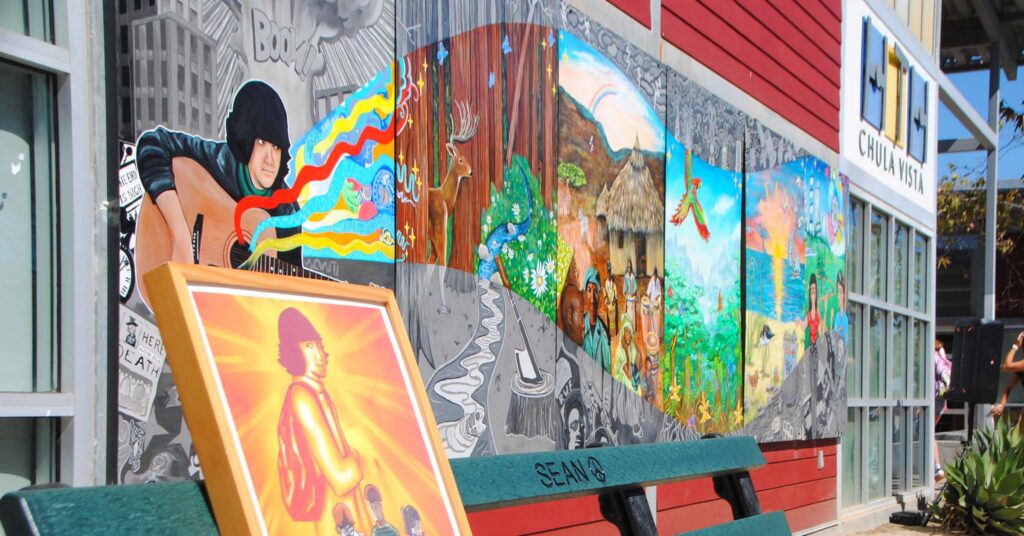
Street Learning Lab (10‑minute micro‑experiment): At your next community event, set up a small board titled “Teach Us Something” and invite the first three passersby to jot one local insight or quick skill in a phrase or two. Share the notes with your group on the spot and vote on one idea to pilot within a week. In ten minutes you turn the sidewalk into a live learning laboratory and walk away with a concrete, community‑driven action plan.
Works Cited
- Alexander, Christopher, et al. A Pattern Language: Towns, Buildings, Construction. Oxford University Press, 1977. www.patternlanguage.com. Accessed 10 Apr. 2025.
- Chomsky, Noam. Official Website. chomsky.info. Accessed 10 Apr. 2025.
- Department of Education, United States. www.ed.gov. Accessed 10 Apr. 2025.
- Freire, Paulo. Pedagogy of the Oppressed. Bloomsbury, 1970.
www.bloomsbury.com/us/pedagogy-of-the-oppressed-9781501314131/. Accessed 10 Apr. 2025. - Graeber, David. The Democracy Project: A History, a Crisis, a Movement. Spiegel & Grau, 2013.
www.penguinrandomhouse.com/books/313098/the-democracy-project-by-david-graeber. Accessed 10 Apr. 2025. - Highlander Folk School. Highlander Research and Education Center,
highlandercenter.org. Accessed 10 Apr. 2025. - Hoffman, Abbie. Steal This Book. Vintage, 1971.
www.penguinrandomhouse.com/books/637388/steal-this-book-by-abbie-hoffman. Accessed 10 Apr. 2025. - “Harvard and the Battle Over Higher Ed.” On the Media, WNYC Studios, 2024,
www.wnycstudios.org/podcasts/otm/articles/harvard-and-the-battle-over-higher-ed. Accessed 10 Apr. 2025. - “Trump Moves to Dismantle the Department of Education.” The New York Times, 20 Mar. 2025,
www.nytimes.com/2025/03/20/us/politics/trump-education-department.html. Accessed 10 Apr. 2025.